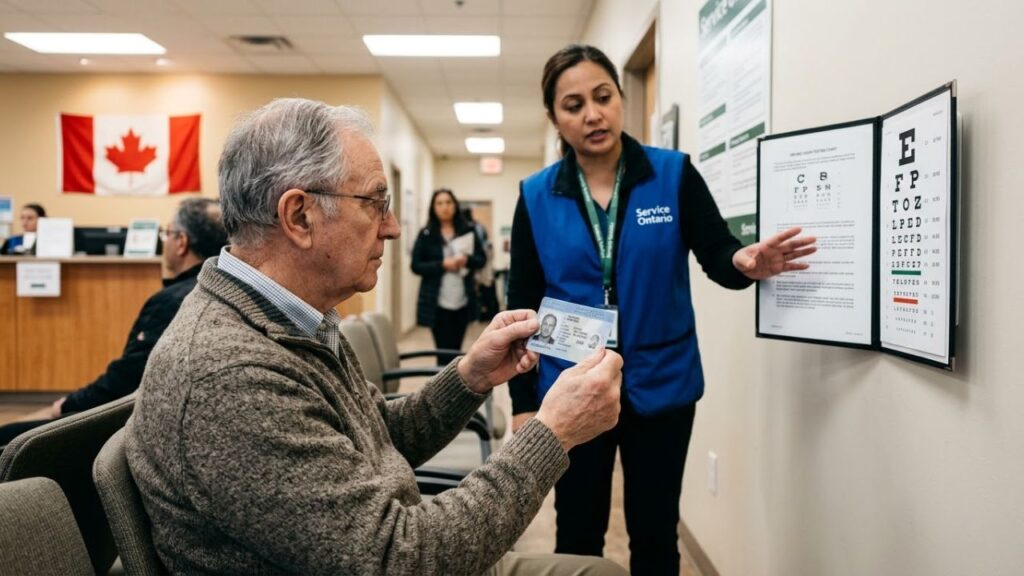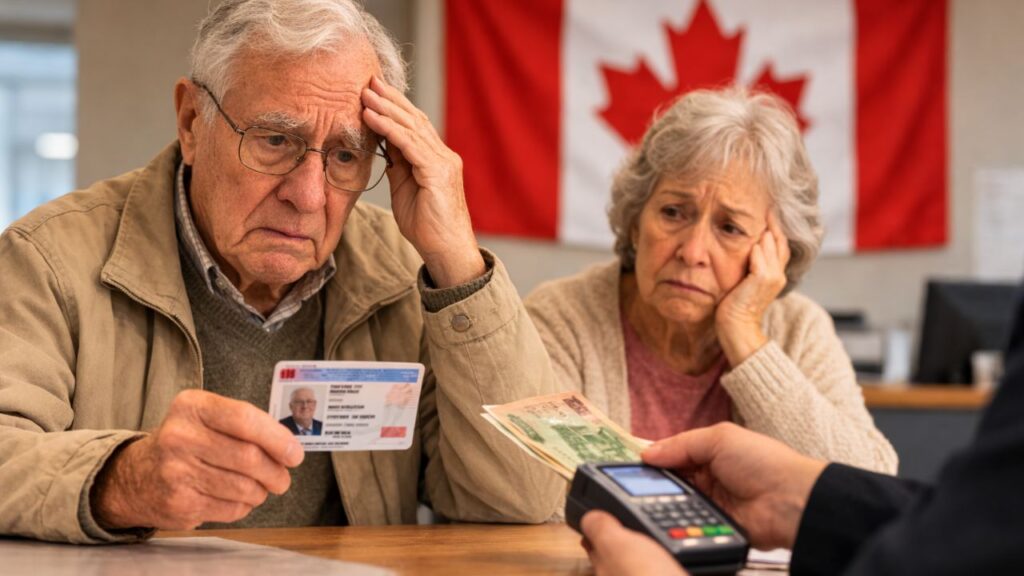
On March 15 2026, Canada will officially stop its long-standing policy of giving seniors free driver’s license renewals. Instead, they will have to pay new fees that range from $300 to $600. Retirees and advocacy groups all over the country have been having a lot of discussions about the decision. For a long time, older drivers didn’t have to pay renewal fees, but that has changed because of higher administrative costs and changes to the rules. As this new rule is put into effect across the country, many seniors are trying to figure out how it will affect their finances, eligibility, and renewal dates.
Canada Ends Free License Renewals for Seniors
The removal of free renewals has made a big difference in Canada’s driver license system. Seniors over a certain age used to not have to pay renewal fees, which made it easier for them to stay mobile without having to worry about money. But starting on March 15 2026, drivers who are eligible will have to pay new renewal fees based on their province and the type of license they have. Government officials say that the main reason for the change is that services are getting more expensive and the government is making improvements to its operations. Most seniors will have to plan for yearly compliance costs, which could be between $300 and $600. Some provinces may offer limited relief programs, but they won’t be enough to cover all of these costs. Drivers who are eligible will have to pay new renewal fees based on their province and the class of their license.
Changes to Canada’s Senior License Fee
The new pricing structure is a little different in each province, but the overall trend is the same across the country. Authorities say that the new system covers operating costs and makes sure that policy standards stay the same. Some seniors might also need to get new medical records, which would make the total cost of renewal go up. Critics say that the timing is bad, especially since inflation affects fixed retirement incomes. But policymakers stress how important it is to use new testing methods and review road safety. If you know what your province needs ahead of time, you can avoid fines or delays that you didn’t expect.

What Canada’s New Senior License Renewal Fees Will Do
For many older Canadians driving means freedom and ease. These fees may affect people’s choices about whether to keep or give up their licenses. Advocates warn that extra costs could make things harder for people who are already living on small pension benefits. Financial advisors say you should plan ahead and set aside money for the license updates you need. Seniors should also check the deadlines for renewing their memberships to avoid late fees. Officials say that the reform guarantees that services will be available for future generations and promotes long-term stability in the system, even though some people have concerns.
What This Means for Older People in Canada
Overall, the end of free license renewals is a sign of a bigger change in Canada’s transportation policy. To get used to these changes, seniors need to read up on the rules in their province and make financial plans. Officials stress that the goal of the policy is to find a balance between fairness and sustainability, even though the change may seem sudden. Older drivers can avoid problems by staying informed, going over what documents they need to bring, and making plans for future payments. Open communication between governments and senior communities will be very important to make sure that the transition goes smoothly and that seniors in Canada can still get around.
| Age Range | Old Fee | New Fee (Starting March 15, 2026) |
|---|---|---|
| 65–69 Years | $0 | $300 |
| 70 to 74 | $0 | $400 |
| 75 to 79 | $0 | $500 |
| Over 80 | $0 | $600 |
Questions That Are Often Asked (FAQs)
1. Why is Canada no longer giving seniors free license renewals?
The government says the main reasons for the new fees are rising operating costs and better administration.
2. When do the new senior license fees go into effect?
The new renewal fees will be in effect all over the country on March 15 2026.
3. How much does it cost for seniors?
Fees are expected to be between $300 and $600, depending on the province and age group.
4. Can seniors get help with the costs of renewing?
You should check the rules set by the local transportation authority because some provinces may not have many support programs.