As March 2026 gets closer, millions of homes in Canada are getting ready to get the latest federal carbon rebate payment. For a lot of families, the $456 Canada carbon rebate isn’t just a way to get through the winter. Pricing pollution and giving most of the money back to residents is a big part of the federal government’s plan.
The Canada Revenue Agency runs the rebate, which is officially called the Climate Action Incentive Payment. The Government of Canada pays for it through Canada’s carbon pricing framework. The program has changed over time, but its main goal has always been the same: to put a price on carbon pollution and give most of the money back to families.
This detailed guide tells you who can get the $456 payment in March 2026, how the amounts are figured out, when the money will be deposited, and how differences between provinces affect your rebate.

What is the Canada Carbon Rebate for 2026?
The Canada carbon rebate is a tax-free payment made every three months to help cover the costs of the federal carbon pricing system. It is part of Canada’s larger climate strategy, which is run by Environment and Climate Change Canada.
With the federal carbon pricing system, fuel suppliers have to pay a fee based on how much greenhouse gas their products release. That cost can affect the prices of gas and heating oil for homes. The federal government gives most of the money it collects back to residents of participating provinces so that households don’t have to bear too much of the burden.
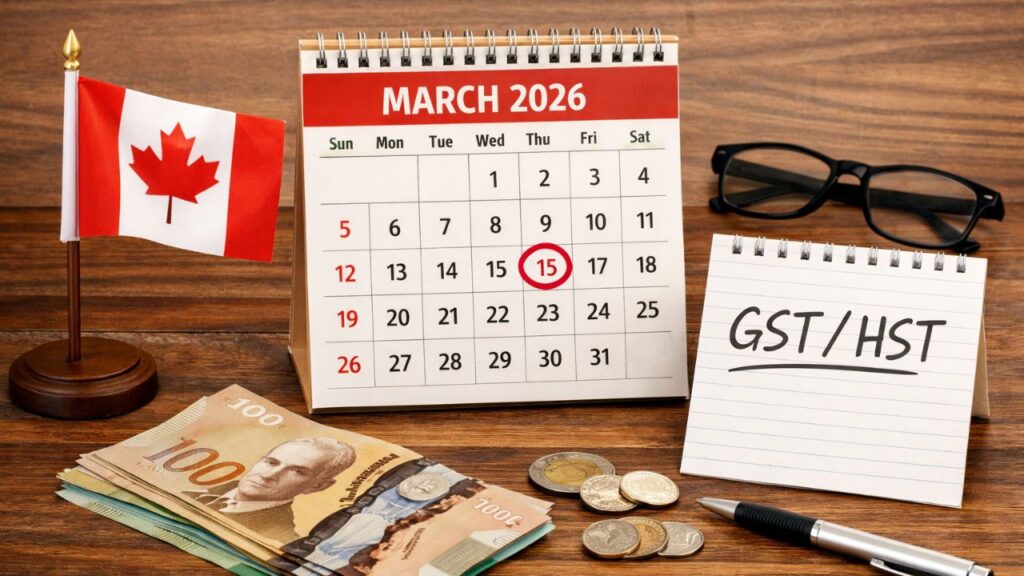
The Climate Action Incentive Payment, or CAIP for short, is the official name for the rebate. Payments are made every three months, usually in January, April, July, and October. The March 2026 conversation is mostly about the first-quarter payment cycle, which usually happens in the middle of March because of how long it takes to process.
Why $456 in March 2026?
The $456 number that people often talk about in early 2026 talks is the estimated quarterly payment for a family of four in some provinces that are taking part. The exact amount depends on a few things:
- The number of people living in a house
- Place of residence
- Eligibility for rural versus urban areas
- Changes to the federal carbon price
As part of Canada’s goals to cut down on greenhouse gas emissions, the carbon price goes up a little bit every year. As the price of carbon goes up, the amount of rebates usually goes up too, since most of the money collected in a province goes to households.
Under national climate policy goals, the federal carbon price is expected to keep going up until 2026. That rise is directly shown by higher quarterly rebate amounts than in previous years.
Which provinces get the federal carbon rebate?
Not all provinces get the federal rebate. The system only works in provinces that use the federal carbon pricing backstop instead of their own carbon pricing systems that are completely separate from the federal system.
As of early 2026, the federal program usually covers the following provinces:
- Alberta, Saskatchewan, and Manitoba
- Ontario Nova Scotia
- Isle of Prince Edward
- Newfoundland and Labrador
People who live in British Columbia and Quebec, for example, are subject to different provincial systems and do not get the federal Climate Action Incentive Payment.
The new GST credit helps 12 million Canadians buy more groceries.
How to figure out the $456 payment
Base Amount for Each Adult
The first step in figuring out the rebate is to find the base amount for the first adult in the household. A second adult gets a little less than the first adult. Every child under 19 adds another piece.
For example, in a province that is taking part, the quarterly structure might look like this:
- The first adult gets the most base money.
- The second adult gets a little less.
- Each child gets a set amount of money.
A family of four would get the first adult amount, the second adult amount, and two child portions. In provinces with higher wages, this can add up to about $456 per quarter.
Rural Add-on
People who live in small towns and rural areas may be able to get a rural supplement extra amount. This extra amount takes into account the fact that people who live outside of major cities often have fewer public transportation options and need more energy.
Postal code and census classification are usually used to figure out who is eligible. When you file your taxes, the extra money is automatically added if you qualify for the rural supplement.
The rebate does not go down if you make more money.
One of the best things about the Canada carbon rebate is that it doesn’t check your income. Your payment is not lower based on how much you make, which is not the case with many other federal benefits.
This means:
- Families with low incomes get the same base amount as families with higher incomes in the same province and family size group.
- There is no limit on when the phase-out will end.
- The payment does not have to pay taxes.
The design makes sure that a lot of people will support it and makes up for the higher energy costs for the average family.
When Will the Carbon Rebate for March 2026 Be Paid?
Payments are made every three months, and the first one for 2026 is due in March.
The Canada Revenue Agency usually sends payments through:
- Direct deposit for people who have signed up for CRA direct deposit
- Check in the mail for those who aren’t registered
If you have direct deposit set up and your 2024 tax return has been filed and processed, your payment should automatically show up in your bank account on the date it is due.
If:
- You haven’t sent in your most recent tax return.
- Your bank information is no longer valid.
- You just got married or divorced.
- You moved to a different province.
If you file your taxes early, you can be sure that you will get the March 2026 payment on time.
How to Get the $456 Canada Carbon Rebate
You must meet the following requirements in order to get the payment:
- You live in a province that is taking part
- You are at least 19 years old, or you have a spouse or child.
- You have sent in your most recent tax return.
- For tax purposes, you are a resident of Canada.
You must still file a tax return even if you don’t make any money in order to be eligible. A lot of Canadians think they don’t qualify because they didn’t make much money, but they still need to file.

Effects on Families and Homes
Four-Person Families
In March 2026, a family of four in Alberta, Ontario, or Saskatchewan could get payments of about $456 every three months. That could be more than $1,800 over a full year, depending on the province and whether you live in a rural area.
This rebate makes up for the expected rise in fuel and heating costs that will happen every year because of the carbon pricing system for many middle-class families.
People Who Are Single
Individuals who are single get less than families, but they still benefit a lot. In 2026, a single adult may get a payment every three months of between $150 and $250, depending on the province.
Older people and families with fixed incomes
Seniors on fixed incomes get the full benefit amount because the rebate is not income-tested and not taxable. This structure gives you reliable quarterly support without affecting other benefits that are based on income.
The program’s economic and environmental reasons
The carbon rebate is there to make sure that environmental policy and costs are in balance.
The Government of Canada based the carbon pricing system on two main ideas:
- There should be a cost for pollution.
- Most families should get more money back than they put in.
Research has shown that most households in the provinces that are taking part get rebates that are equal to or more than their estimated carbon costs. This is especially true for families with lower and middle incomes.
The policy’s goal is to promote energy efficiency while keeping the economy fair by giving most of the money directly to residents instead of keeping it in general revenues.
Frequently Asked Questions About the Payment in March 2026
Do I have to apply?
You don’t need to fill out a separate application. When you file your yearly tax return, you automatically sign up.
Is the $456 a sure thing?
The exact amount varies by province and family size. This number, $456, is an estimate for a family of four living in some provinces with higher wages. Always look at the most recent CRA tables for your province.
Will the payment have an effect on other benefits?
There are no taxes on the carbon rebate, and it does not lower other federal income-tested benefits like:
- Child Benefit in Canada
- GST Credit and Old Age Security
What if I move to a different province?
Your province of residence on the first day of the payment month will determine if you are eligible and how much you can get. Your rebate could change if you move from a province that is part of the program to one that isn’t.
How the Carbon Rebate Fits into Canada’s Climate Plan for 2030
The carbon pricing system is a key part of Canada’s plan to cut down on emissions. The Environment and Climate Change Canada keeps an eye on emissions goals that are in line with the Paris Agreement.
Policymakers want to lower fossil fuel use, promote cleaner technologies, and encourage investments in energy efficiency by steadily raising the carbon price every year until 2030.
The rebate part makes sure that being environmentally responsible doesn’t put too much strain on families that are already having trouble making ends meet.
Political Arguments About the Carbon Rebate
In Canada, carbon pricing is still a topic of political debate. Supporters say that the rebate protects families and helps the environment at the same time. Some people say that rising fuel prices can hurt some parts of the economy.
Federal leaders have said that most households get more money back in rebates than they pay in direct carbon costs. As 2026 goes on, talks about the future of carbon pricing and rebate levels keep coming up in national policy discussions.
Getting Ready for Your March 2026 Payment
To make sure you get your rebate on time:
- Send in your 2024 tax return
- Check with the CRA to make sure your direct deposit information is correct.
- Changes in marital status should be updated.
- Let us know if your address changes.
These easy steps can keep things running smoothly and make sure your family gets the full quarterly benefit.
Final Thoughts on the $456 Canada Carbon Rebate in March 2026
The $456 Canada carbon rebate in March 2026 shows how Canada’s climate policy and affordability strategy are changing. For a lot of families, it means a lot of help every three months as energy prices go up.
The Climate Action Incentive Payment is still a key part of Canada’s environmental and financial framework, whether you are a single renter in Ontario, a rural family in Saskatchewan, or retirees in Alberta.