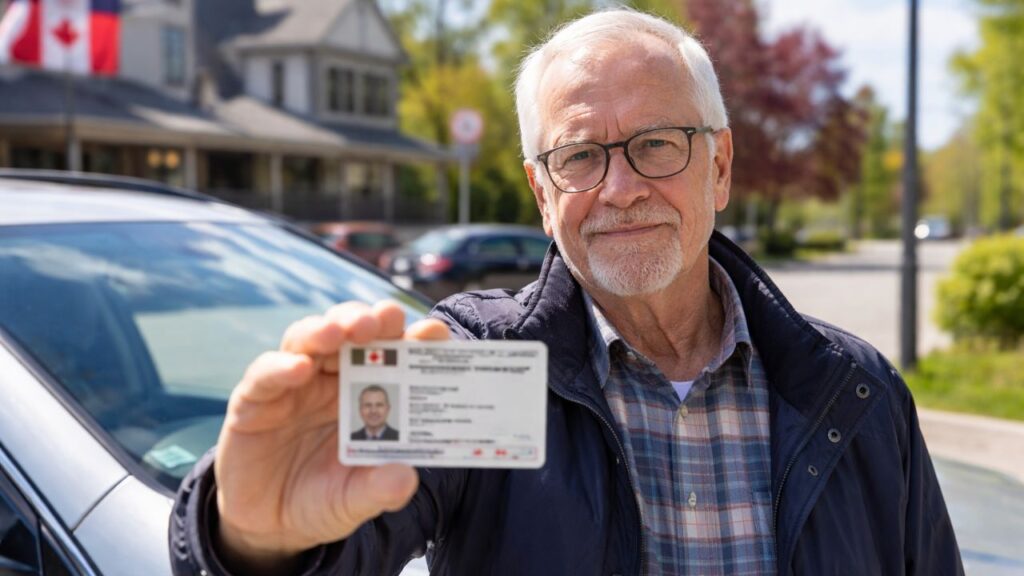
Canada is set to roll out important updates to driving licence rules in 2026, placing a stronger focus on drivers aged 62 and above. These changes are designed to improve road safety while still allowing experienced drivers to maintain their independence. Across different provinces, authorities are introducing stricter yet supportive measures, including health checks, updated renewal systems, and educational programs to ensure a safer driving environment.
Beginning in March 2026, senior drivers will be required to follow a more structured process to confirm their ability to drive safely. The goal is not to restrict mobility but to ensure that older drivers remain confident and capable on the road.
Why Canada is Updating Driving Rules in 2026
With Canada’s aging population, authorities are focusing on the specific challenges older drivers may face. While age itself does not determine driving ability, factors such as vision decline slower reaction times, and certain medical conditions can increase risks.

To address this, the 2026 updates focus on:
- Early detection of health-related risks
- Regular monitoring of vision and cognitive ability
- Providing updated knowledge of modern traffic rules and vehicle technologies
Officials emphasize that these changes are designed to support seniors, not limit their independence, by ensuring they can continue driving safely for longer.
Main Changes for Drivers Aged 62 and Above
Health Checks and Medical Requirements
A major part of the new system is regular health monitoring. Drivers aged 62+ may need to provide updated medical reports more frequently. These checks may include:
- Vision tests to ensure clear eyesight
- Cognitive assessments to evaluate alertness and decision-making
- Doctor issued medical fitness reports
These requirements aim to identify risks early, such as undiagnosed conditions or medication side effects, rather than removing seniors from driving.
Updated Licence Renewal Process
The renewal process is becoming more frequent and structured. Instead of long-term renewals, senior drivers may experience:
- Licence renewals every 2 to 5 years
- Mandatory submission of health and vision documents
- Possible on road driving evaluations
Frequent renewals allow authorities to monitor driving ability while keeping seniors informed about updated road laws.
Driver Education and Safety Programs
Education is another key focus of the 2026 updates. Many provinces are encouraging or requiring seniors to:
- Attend refresher driving courses
- Learn about modern vehicle technologies like driver-assistance systems
- Join defensive driving and safety workshops
These programs help seniors stay updated and confident while driving in changing traffic environments.
Cognitive and Practical Driving Assessments
Canada is also shifting toward skill based evaluation rather than age-based restrictions. Drivers may be required to complete:
- Reaction time and cognitive tests
- On road driving assessments with certified examiners
- Optional safety training sessions
This ensures that decisions are based on actual driving ability rather than age alone.
Impact on Senior Drivers in 2026
Preparing for the New Rules
Drivers approaching 62 should prepare in advance to avoid delays. Key steps include:
 CRA $670 Federal Credit for March 2026: Eligibility, Payment Status and Direct Deposit Details
- Keeping medical and vision records updated
- Understanding renewal timelines
- Considering voluntary driving refresher courses
Planning ahead will help ensure a smooth licence renewal process.
Balancing Independence and Safety
The new system is designed to help seniors continue driving safely rather than limiting them. Most drivers will simply need to:
- Stay updated with road rules
- Complete periodic health checks
- Adapt to new safety practices
This balanced approach helps reduce accident risks while maintaining independence.
Province-Wise Differences in Implementation
Although the overall framework is similar, each province may apply slightly different rules based on local conditions. Common requirements include:
- Mandatory vision testing
- Medical and cognitive evaluations
- Shorter renewal periods
- Encouragement for training programs
Drivers should check with their provincial licensing authority for exact requirements.
Summary of Key Changes
| Category | New Requirement (2026) |
|---|---|
| Age Group | Drivers aged 62 and above |
| Health Checks | Regular medical and vision assessments |
| Licence Renewal | Every 2–5 years depending on province |
| Cognitive Testing | Reaction time and awareness tests |
| Driving Tests | Optional or required on-road assessments |
| Education | Refresher courses and safety workshops |
Benefits of the 2026 Driving Updates
These changes aim to improve safety for everyone on the road while supporting older drivers. Benefits include:
- Reduced accident risks through early detection of issues
- Improved driving skills with updated training
- Increased confidence among senior drivers
- Better adaptation to modern vehicles and traffic systems
Tips for Senior Drivers to Stay Prepared
To adjust smoothly to the new rules, seniors can:
- Schedule regular health and eye check-ups
- Keep track of licence renewal deadlines
- Learn about new car safety features
- Join driving refresher programs
- Maintain physical and mental fitness
Taking these steps will help ensure continued safe and independent driving.
Future of Senior Driving in Canada
The 2026 changes represent a shift toward a more modern and supportive system. In the future, Canada may introduce:
- Digital licence renewals and remote assessments
- Personalized driving programs based on health conditions
- Community based training and support systems
These developments aim to make driving safer and more accessible for seniors.
Conclusion
Canada’s 2026 driving licence updates bring a balanced approach that focuses on safety without compromising independence. With new health checks, updated renewal processes, and optional training programs, drivers aged 62 and above can continue driving confidently and safely. By focusing on ability rather than age, the system ensures that experienced drivers remain safe, active, and responsible on the road.e, which may take longer to arrive.