Canada is getting ready for one of the biggest changes to its system for training and licensing drivers in decades. The Graduated Licensing Program (GLP) will have stricter rules starting in 2026. This will change what used to be seen as a simple way to learn into a more structured and disciplined process. The changes come with harsher punishments like fines of up to $1,000 and the possibility of having your license suspended. All of these are meant to make the roads safer for all Canadians.
These changes mean that young drivers and their families will have to change how they think about driving safely, their duties, and the consequences of driving unsafely. To use the new system correctly and stay in line with changing rules you need to know what has changed.
Say goodbye to the old graduated licensing rules.
The time of easy probation and loose monitoring is coming to an end. Canadian provinces are changing the GLP framework to make it harder to get a learner’s permit and give more time for evaluations. Authorities are especially interested in lowering the number of repeat offenses and making sure that new drivers get real experience and learn how to drive safely.

No Tolerance for Dangerous Behavior
One of the most important things about the 2026 update is that it moves toward zero tolerance for things like speeding, driving while distracted, and driving while impaired. Many provinces will use digital monitoring tools to keep an eye on compliance. This will make it harder for new drivers to get around the rules. For students, this means more supervision tougher grading standards, and fewer chances to make up for mistakes during their probationary period.
Supervised learning that is more structured
The new system puts more emphasis on longer supervised driving hours and structured tests parents and guardians will have to keep a closer eye on learner drivers, and instructors will have to write more detailed reports on how well their students are doing. This hands-on method makes sure that young drivers get real-world experience in safe situations before they start driving on their own.
Stronger penalties and enforcement
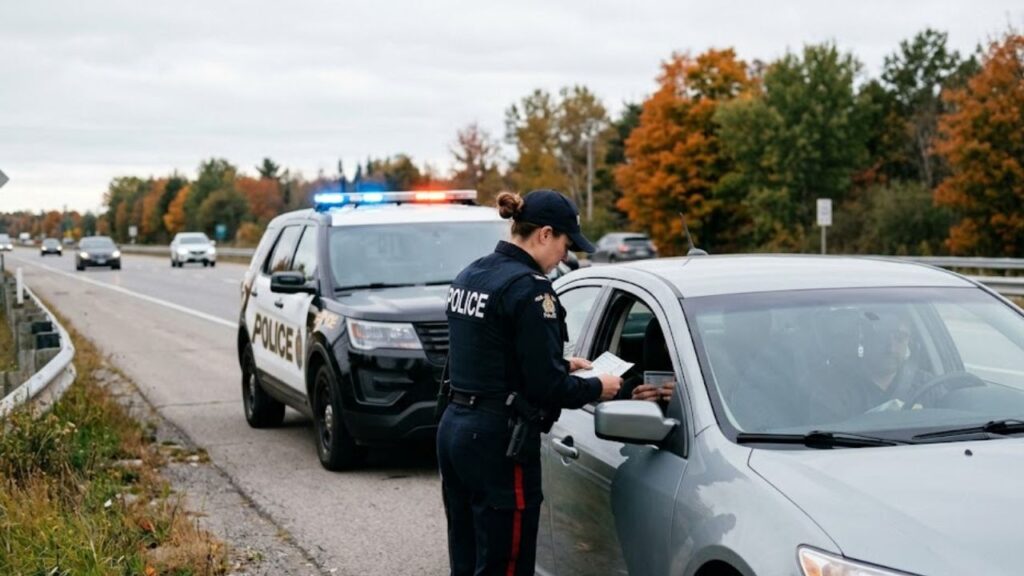
The changes that will happen in 2026 will make it harder to break licensing rules. Drivers who break the rules could be fined up to $1,000, which is a big jump from the old maximum fine of $500. Immediate license suspensions are also possible, especially for people who break the law more than once.
Required Re-Education and Starting the Process Again
In some cases, drivers who break the rules too many times may have to start over with parts of the licensing process. This includes taking updated driver education courses that cover new road hazards like electric cars smart traffic systems, and new safety technologies. Authorities say these steps are needed to deal with the rising number of accidents involving young drivers.
What this means for insurance
Families should also know what insurance problems might come up. Under the new rules violations may lead to higher premiums because insurance companies are relying more and more on compliance records and traffic violation data that government agencies share. This gives young drivers a financial reason to follow the rules.
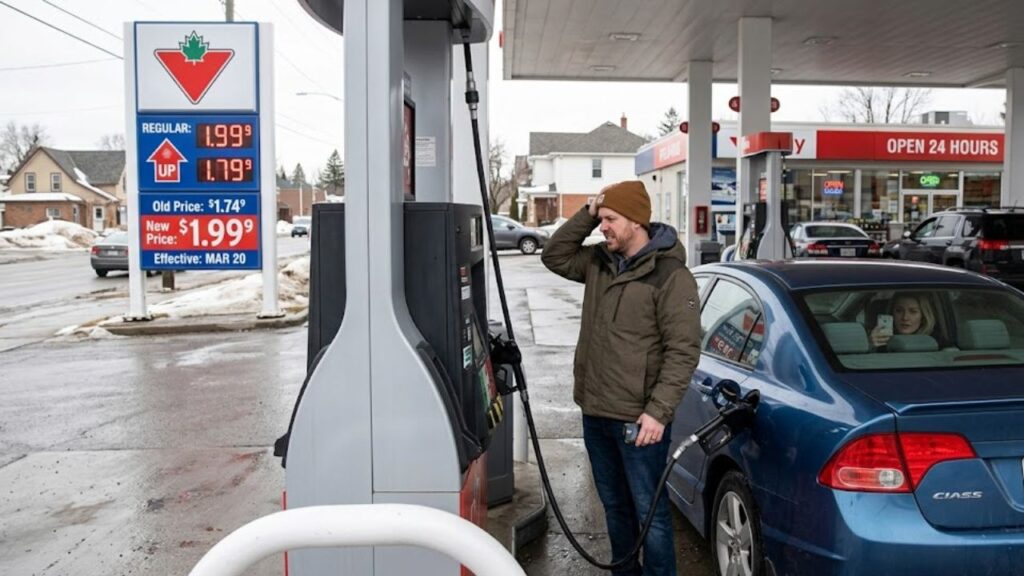
 Fuel Price Increase in Canada From March 20, 2026: Petrol Prices Set to Rise by $0.25 Per Litre
How the 2026 Licensing Reform Affects Families
The new Graduated Licensing Program has effects that go beyond just fines and penalties. The system is a big change for families in how teens get ready to drive on their own.
More involvement from parents
Parents are expected to be more involved than ever because of stricter performance reviews and longer supervision requirements. Keeping track of hours, giving feedback, and encouraging safe driving will all be important parts of the learning process.
Responsibility at Every Step
The reform stresses being responsible digital compliance tracking, automated reporting, and better monitoring make sure that both learners and supervisors are responsible for keeping road safety standards. Families should expect a more hands-on approach to driver education, one that focuses on developing skills and being aware of hazards instead of just meeting the bare minimum.
Learning about the 2026 Canada Driving Law Reform
The changes are more than just harsher fines; they show a change in how Canada treats young drivers. Officials want to teach people how to drive safely from the start, using modern enforcement technologies and data-driven monitoring systems to help.
Finding a balance between criticism and support
Some people say that the stricter rules might be too much to handle, but supporters say that the long-term benefits are worth the trouble. The goal is to teach people how to drive safely and responsibly, and to make sure they know that driving is a privilege not a right. Canada is taking steps to lower the number of avoidable accidents among new drivers by stressing structured learning, responsibility, and clear consequences.
Main Differences Between the Old and New Systems
| Category of Rules | Update to the Old System in Canada in 2026 |
|---|---|
| Maximum Fine: $500 | As much as $1,000 |
| Time of Probation | Standard time frame |
| Repeated Violations | Warning or small punishment |
| Driver’s Education | Basic required course |
| Manual checks for monitoring | Tracking compliance digitally |
Getting Ready for the Future: Advice for Young Drivers
- Log Extra Supervised Hours: Use the longer learning period to its fullest by practicing in a variety of situations.
- Stay up to date: Know the rules in your province, since they may be different from those in other provinces.
- Put safety ahead of speed: Don’t do things that could get you in trouble and cost you money or start the licensing process over again.
- Use technology Your province may suggest apps or digital logs to help you keep track of your progress and compliance.
- Talk to Guardians: Make sure that your parents or guardians are involved in every step of your learning.
Young drivers can learn new skills, gain confidence, and follow the rules by taking the initiative to make these changes. This will make driving safer for them as they become fully independent.