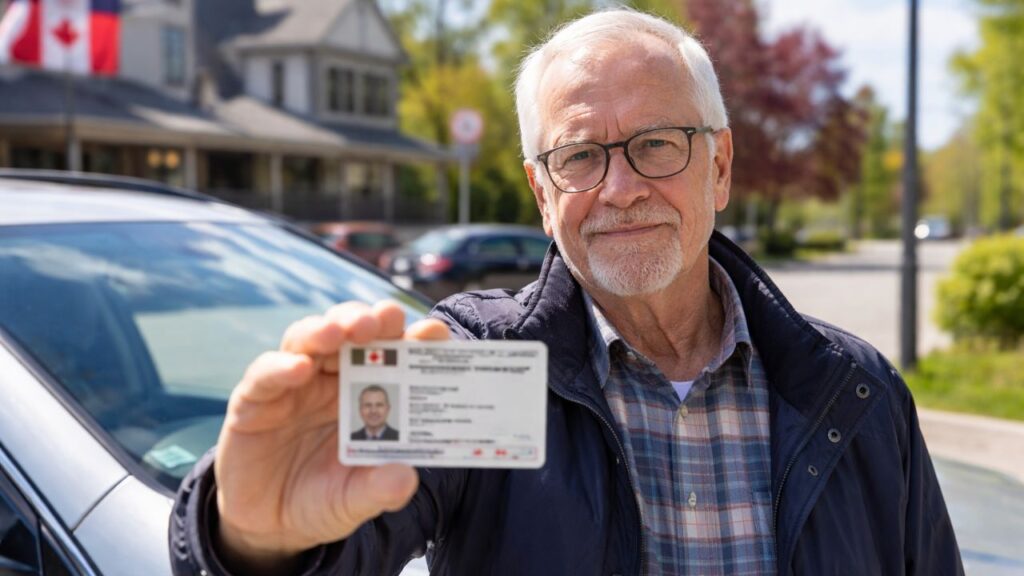
Canada is introducing important new driving licence rules in 2026 for people aged 62 and above. These updates are designed to improve road safety while considering the growing senior population. If you or a family member fall into this category, understanding these changes is essential to avoid issues during licence renewal.
The rollout is expected around late March 2026. These reforms modernize the system by introducing stricter medical checks and age-appropriate testing, while still preserving seniors’ mobility and independence. Staying informed will help you prepare in advance.
Why These New Rules for Senior Drivers
Canada’s aging population means more senior drivers on the road. Authorities are updating regulations to reflect this shift without unfairly limiting older drivers. The goal is to reduce age-related risks while maintaining independence.

Studies indicate higher risks linked to vision and cognitive decline. These new measures aim to balance safety with freedom for senior drivers.
Strong Focus on Road Safety
Safety is the core objective of these changes. Drivers over 62 will need to regularly prove their ability to drive safely. This is expected to reduce serious accidents involving seniors.
Research shows proactive assessments can prevent many road incidents. These rules promote responsible driving across all age groups.
Implementation Date and Process
The new rules will begin rolling out gradually from late March 2026. This phased approach allows provinces to update their systems smoothly.
Each province, including Ontario and Quebec, may apply slight variations locally. It is important to check your local transport authority for exact details.
Provincial Differences You Should Know
Although there is a general framework, specific requirements vary by province. Some regions may require more frequent testing or additional evaluations required.
This flexibility helps provinces adapt but requires seniors to stay aware of local rules.
Medical Requirements and Mandatory Checks
Senior drivers will need to submit regular medical reports, typically every 1 to 2 years. These assessments include vision, cognitive ability, and overall physical condition.
The checks include:
- Vision test to confirm eyesight and field of view
- Cognitive assessment to detect early issues
- Physical exam to assess reflexes and mobility
- Medication review to ensure safe driving
These preventive measures protect both drivers and others on the road.
Additional Driving Tests
Some seniors may be required to take a practical driving test during licence renewal. This ensures real-world driving ability is still adequate.
The test may evaluate:
- Reaction to emergency situations
- Compliance with traffic rules
- Ability to perform complex maneuvers
- Driving in specific conditions like nighttime
Licence Renewal Process
The renewal process becomes more structured in 2026. Drivers will receive an official notice before their licence expires.

Main steps include:
- Receiving the renewal notice
- Submitting updated medical documents
- Paying applicable fees
- Completing required tests if needed
This ensures uninterrupted licence validity.
Tips to Avoid Delays
Planning ahead is crucial. Book medical appointments well in advance, ideally months before your renewal date.
Using online services can also speed up the process and reduce waiting times.
Key Details at a Glance
| Element | Details |
|---|---|
| Year | 2026 |
| Target Group | Drivers aged 62+ |
| Start Date | Late March 2026 |
| Requirements | Medical checks and driving tests |
| Goal | Improved road safety |
Impact on Senior Independence
These rules are not meant to restrict senior drivers but to ensure safe driving. Driving remains essential for daily activities such as medical visits, shopping, and social life.
The system supports independence while ensuring overall public safety.
How to Prepare Early
Start preparing now to make the renewal process smoother.
- Schedule regular health checkups
- Maintain physical fitness
- Keep personal information updated
- Follow provincial updates
Expert Recommendations
Experts advise understanding your province’s specific rules. Keeping a complete medical record will make the process faster and easier.
Discuss your health condition with your doctor to address potential concerns early.
Overall Benefits of These Changes
These rules are expected to reduce accident rates among senior drivers. They also improve overall confidence and safety on the roads.
Seniors can continue driving with greater assurance and proper support.
Conclusion
The 2026 driving licence changes in Canada for people aged 62 and above mark an important step forward. They enhance safety while respecting senior independence.
By staying informed and preparing early, seniors can continue to drive confidently and safely.