Understanding tax obligations in Canada can feel overwhelming, especially with changing deadlines and updated tax brackets each year. For 2026, the Canada Revenue Agency (CRA) has introduced key updates that taxpayers should be aware of to avoid penalties and maximize refunds. Whether you’re filing as an individual or self-employed, knowing the important filing dates and income thresholds is essential. This guide breaks down everything you need to know about Canada tax deadlines for 2026, along with a clear explanation of the latest tax brackets to help you stay prepared and confident.
Canada Tax Filing Deadlines 2026: Important CRA Dates to Know
In 2026, staying on top of your tax schedule is crucial to avoid unnecessary fines. The standard deadline for most individuals in Canada is April 30, 2026, while self-employed individuals have until June 15, 2026, to file. However, any taxes owed must still be paid by April 30. Missing these deadlines can result in late filing penalty, added interest on balance, and potential CRA compliance issues. It’s also important to keep track of quarterly tax payments if you’re required to make them. Filing early not only reduces stress but can also speed up your refund process.
Updated Canada Tax Brackets for 2026 Explained Clearly
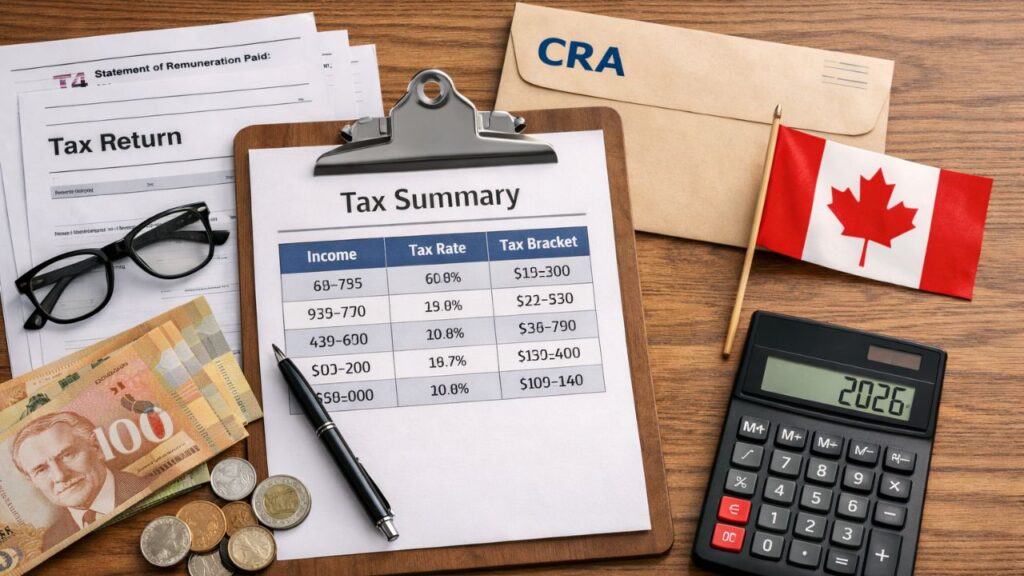
The Canadian tax system uses a progressive model, meaning your income is taxed at different rates depending on thresholds. For 2026, these brackets have been adjusted to reflect inflation, ensuring fairness for taxpayers. Knowing where your income falls can help with better financial planning and estimating your tax liability. Key concepts include federal income rates, provincial tax layers, marginal tax system, and income threshold limits. By understanding these elements, you can make smarter decisions about deductions and credits, ultimately reducing how much you owe.

How CRA Tax Changes in 2026 Impact Canadian Taxpayers
The 2026 updates go beyond deadlines and brackets—they also influence how individuals manage their finances. Adjustments in credits, deductions, and thresholds can affect your take-home income and overall tax burden. For example, increased limits may benefit those claiming basic personal amount, while changes could impact tax credit eligibility for families. Additionally, staying informed about deduction opportunities available and refund optimization strategies can help you maximize returns. Being proactive ensures you’re not leaving money on the table and keeps your financial plans aligned with current regulations.
Summary and Key Takeaways
Canada’s 2026 tax updates highlight the importance of preparation and awareness. By understanding deadlines, taxpayers can avoid penalties and stay compliant. Learning how tax brackets work allows for better planning and smarter financial decisions throughout the year. Meanwhile, being aware of policy changes helps individuals take full advantage of available credits and deductions. Overall, staying informed ensures smoother filing, improved financial outcomes, and fewer surprises when tax season arrives. Taking a proactive approach today can make a significant difference in your overall tax experience.
| Category | Details |
|---|---|
| Individual Filing Deadline | April 30, 2026 |
| Self-Employed Filing Deadline | June 15, 2026 |
| Payment Due Date | April 30, 2026 |
| Tax System Type | Progressive Tax System |
| Bracket Adjustment | Indexed to Inflation |
Frequently Asked Questions (FAQs)
1. What is the tax filing deadline in Canada for 2026?
The standard filing deadline is April 30, 2026, for most individuals.
2. Do self-employed individuals have a different deadline?

Yes, self-employed taxpayers can file until June 15, 2026.
3. When are taxes owed due?
All taxes owed must be paid by April 30, 2026, regardless of filing status.
4. Are tax brackets changing in 2026?
Yes, tax brackets are adjusted for inflation to reflect current economic conditions.