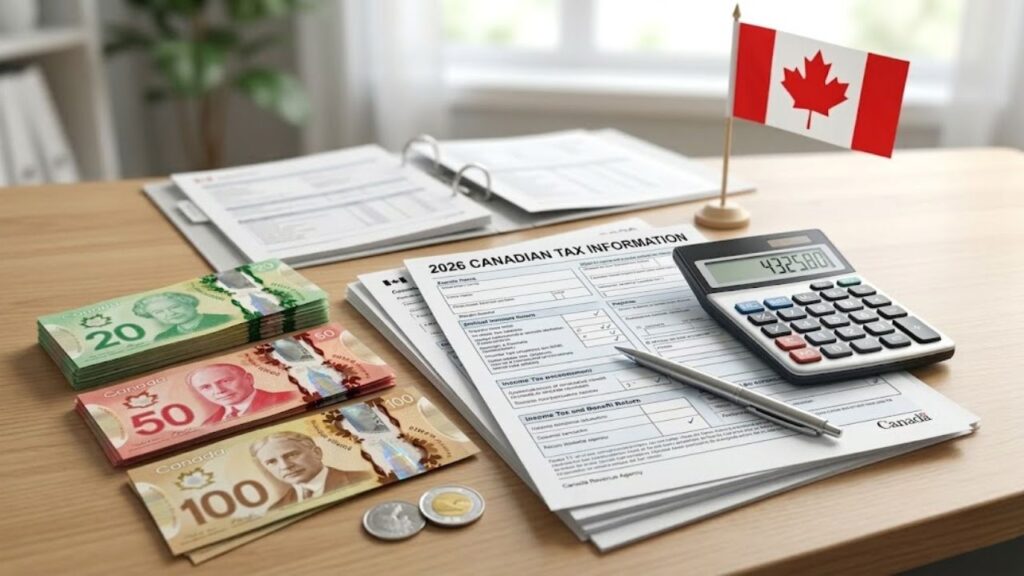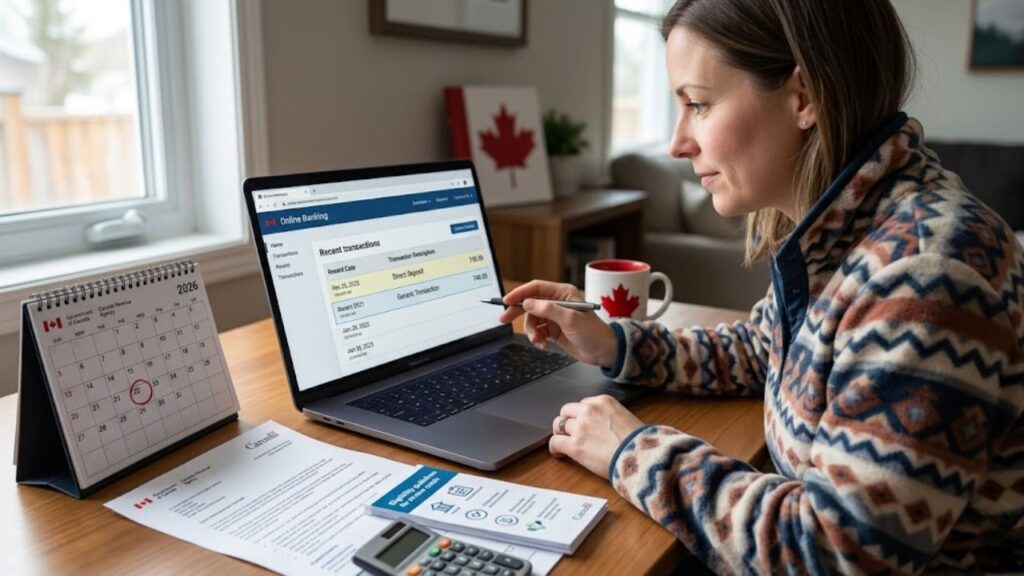
The Goods and Services Tax (GST) credit helps a lot of Canadians with their finances, especially families with low or moderate incomes. Talks about a $740 direct deposit from the Canada Revenue Agency (CRA) that is set to happen on March 22, 2026, have gotten a lot of attention lately. A lot of people want to know if they qualify, how the payment works, and when they can expect the money to come.
The GST credit is meant to make up for the effect of sales taxes on necessary purchases. Payments are usually made every three months, but sometimes changes or extra payments mean that the deposits are higher. The $740 payment that was reported has gotten eligible recipients excited because they rely on these credits to help them pay for things like groceries, rent, utilities, and transportation.
This in-depth guide covers everything you need to know about the upcoming payment, such as who is eligible, how the CRA calculates GST credits, when payments will be made, and what you need to do to make sure you get the money on time.

How the GST Credit Works in Canada
The Canada Revenue Agency gives the GST credit to people and families with low or moderate incomes. It is a tax-free benefit. It makes up for the Goods and Services Tax (GST) or Harmonized Sales Tax (HST) that people pay on things they buy and use every day.
When you file your annual income tax return, the GST credit is automatically calculated. This is not the case with many other government benefits. You don’t need to fill out a separate application. The CRA will look over your tax information and decide if you qualify and how much you can get.
Four times a year, the payments are usually made. These payments come every three months, usually in January, April, July, and October. But sometimes the amount deposited may change because of changes in eligibility, adjustments based on income, or extra payments.
For a lot of Canadians, these payments are very important because they help them make ends meet when their budgets are already tight because of rising living costs.
Why the $740 CRA Payment Is in the News
The $740 CRA payment that is due on March 22, 2026, has gotten a lot of attention because it is more than the usual quarterly GST credit payment. A lot of Canadians want to know if this amount is a special payment, a retroactive adjustment, or a mix of credits.
There are a number of things that could cause the deposit amount to go up.
First, some people who get the GST credits may get them retroactively if their eligibility changed or if they filed their taxes late. In that case, the CRA may put several payments into one account.
Second, families with dependents can often get more money from the GST credit. Extra child-related benefits can make the total benefit bigger.
Third, some taxpayers may get adjustments if their income changed a lot in previous tax filings.
The $740 amount may not apply to everyone, but it is a possible combined payment for households that qualify for higher benefits or back payments.
Who Can Get the GST Credit
The Canada Revenue Agency has set certain eligibility requirements that people must meet in order to get the GST credit in Canada.
Requirements for Age and Residence
To get the GST credit, you have to be at least 19 years old. But people under 19 may still be able to get it if they meet certain conditions, like being married, living with a common law partner, or being a parent who lives with their child.
You also have to live in Canada for tax purposes. The CRA looks at a number of things, such as where you live, work, and keep your money, to decide if you are a resident.
Income Limits
The GST credit is mostly for people and families who don’t make a lot of money. As your income goes up, the amount you get goes down slowly.
Your GST credit may go down or go away completely if your income goes over certain levels. These limits change from time to time because of changes in government policy and inflation.
Submitting Your Tax Return
Filing your annual income tax return is one of the most important things you need to do to get the GST credit. Even if you don’t make much money, filing your return lets the CRA figure out if you qualify.
The CRA can’t figure out your benefits if you don’t file your taxes, and you might miss out on payments that you would have gotten otherwise.
How the CRA Figures Out GST Credit Payments
The Canada Revenue Agency uses information from your tax return to figure out how much GST credit you can get.
Income of the Family
The amount you get depends a lot on your adjusted family net income. This includes the total income of you and your spouse or common-law partner, if you have one.
Households with lower incomes usually get bigger GST credit payments, while households with higher incomes may get smaller payments or none at all.
Status of Marriage
Your marital status also has an effect on the calculation. Married or common-law couples may get benefits that take into account their income and family structure.
How many kids do you have?
Families with kids under 19 may be able to get extra GST credit supplements. Every child who is eligible adds to the total payment amount.
Changes to the provinces
In some cases, the GST credit system may include provincial benefits. These extra benefits are different depending on where you live in Canada.
Details about the direct deposit payment on March 22, 2026
A lot of people have talked about the direct deposit on March 22, 2026, as a possible date for some changes to CRA benefits.
Payments usually go straight into the bank accounts of eligible recipients who have set up direct deposit with the CRA. The quickest and most reliable way to get government benefits is through direct deposit.
If you get your payments by check instead of direct deposit, it may take a few extra days for the mail to get to you.
The exact amount that is deposited may change based on who is eligible. Some Canadians may get smaller payments, while others who qualify for retroactive adjustments may get bigger deposits.

How to Make Sure You Get Your CRA Payment
There are a few important things you need to do to make sure you get your GST credit or any other CRA benefit on time.
Pay Your Taxes on Time
The most important thing you can do to keep getting GST credit payments is to file your income tax return every year.
Filing your taxes lets the CRA figure out your benefits correctly, even if you don’t make any money or only a little bit of money.
Set Up Direct Deposit
Direct deposit makes sure that your payments get to you quickly and safely. You can set up direct deposit by calling your bank or logging into your CRA online account.
This gets rid of the delays that come with mailing checks.
Update Your Information
Make sure the CRA has your current contact information. This includes your address, marital status, and how many people depend on you.
If these details change, your benefit calculations may change as well.
Keep an eye on your CRA account. The CRA has an online portal where taxpayers can see when their benefits will be paid, change their personal information, and look at past deposits.
Checking your account from time to time can help make sure that there aren’t any problems with your payments.
Reasons Why Payments Are Late
Most GST credit payments come on time, but there are some situations that could cause delays.
One reason is that they filed their taxes late. The CRA can’t figure out your benefits until your return has been processed.
Another reason could be wrong information about your bank. If your bank account information is out of date, direct deposit payments might not go through.
Changes of address can also affect payments sent in the mail, especially if the CRA doesn’t have your current address.
Finally, payments may be put on hold for a short time while the CRA checks to make sure you are eligible.
How GST credits affect the finances of Canadian families
For a lot of families, GST credit payments are an important way to get money. The cost of living is going up, inflation is going up, and housing costs are going up, so government benefits are more important than ever.
These payments often help families pay for things like groceries, transportation, and childcare.
Even small payments every three months can make a big difference for families who are living on a tight budget.
The possible $740 payment has gotten people’s attention because it could be a big help for eligible families at a time when many are having trouble making ends meet.
Before March 22, Canadians should do the following:
If you think you will get a CRA payment around March 22, there are a few things you can do to prepare.
First, make sure that your tax return has been processed and your benefits are active by checking your CRA account.
Second, make sure your direct deposit information is correct so that payments don’t get delayed.
Third, look over your past benefit statements to see what payments you usually get and if any changes might be needed.
Following these steps can help make sure that you get your benefits without any problems or delays.
Thinking About Future GST Credit Payments
The GST credit is still one of the main ways the Canadian government helps people with their money. Changes in the economy may lead to changes in the amount of benefits and the requirements for getting them.
Future payments will still depend on the income levels shown on your annual tax returns. To stay eligible, you must keep up with your tax obligations.
The GST credit will probably continue to be an important source of help for Canadians for many years to come, as government benefit programs are always changing to meet their financial needs.
Last Thoughts
A $740 CRA direct deposit that is expected to happen on March 22, 2026, has gotten a lot of Canadians who depend on GST credit payments for help with their bills excited. Not everyone will get the same amount, but eligible individuals and families may get large deposits based on their income, household size, and any changes to their eligibility.
To get these benefits without delays, you need to know how the GST credit works, meet the eligibility requirements, and make sure your tax information is up to date.