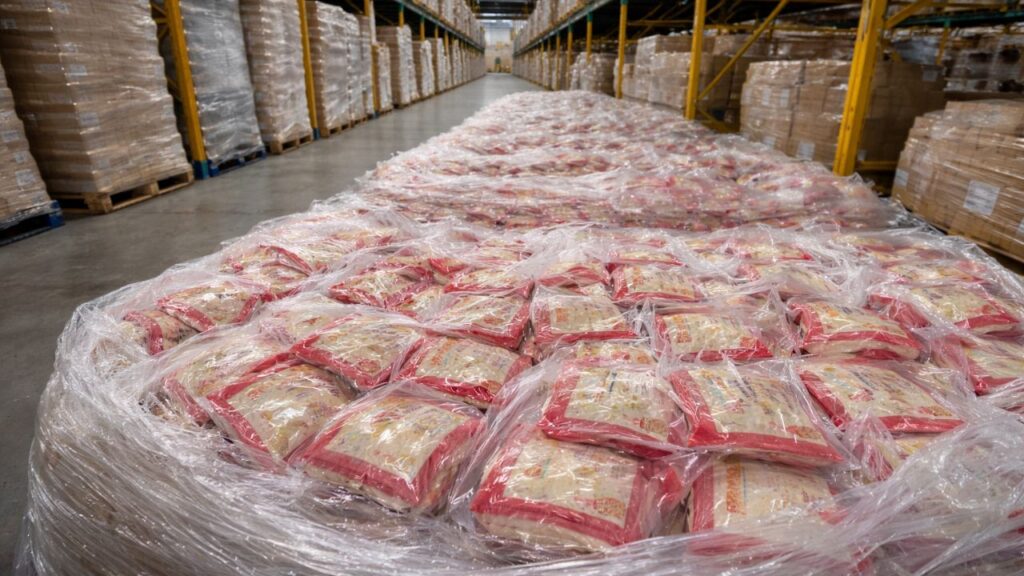
A shipment of rice worth almost $90,000 that was meant for a Toronto food bank recently ran into problems while going through the Strait of Hormuz. The cargo was part of a global effort to help Canada’s food relief programs, which many families depend on to meet their basic needs today. When the ship was reportedly hit in a busy shipping lane, people quickly started to worry about delays and possible supply problems. The event shows how risks in global shipping routes can have a direct effect on important food aid programs across Canada.
Rice shipment to the Canada food bank stuck in the Strait of Hormuz
While sailing through the Strait of Hormuz, one of the busiest shipping lanes in the world, the ship carrying rice for a Toronto food bank ran into trouble. The shipment, which was worth about $90,000, was meant to help food distribution programs all over Toronto. Experts say that events like this show how dangerous it is to use global shipping routes to move humanitarian supplies between continents. Authorities are looking into whether the “aid cargo shipment” was damaged and whether it can still make its way to Canada. The event shows how fragile international aid transport is for groups that depend on the delivery. A lot of food banks are worried that problems could hurt Toronto community support and make it harder to keep a steady supply of food for families in need.
How the Strait of Hormuz incident affected Canada’s food aid supply
The Strait of Hormuz is a very important shipping route, so any problems there can affect deliveries around the world, including humanitarian aid. In this case, the rice shipment was meant to help food banks in Toronto and other weak communities across Canada. According to logistics experts keeping shipments safe along important maritime corridors is necessary for making sure deliveries are always on time. Canadian groups that help with food relief distribution may have to change their schedules and how they get food if the cargo is delayed. The situation has also led to conversations about how important backup plans are and how strong supply chains are. In the end, problems like this show how tensions around the world can affect Canadian humanitarian supplies even when they are thousands of kilometers away.
 CRA Tax Changes for 2026: Key Benefit Payments, Rule Updates and What Canadians Should Expect
Toronto food banks are keeping an eye on the rice shipment that is causing problems in Canada.
As new information comes in about the rice shipment going to Canada, food banks in Toronto are keeping a close eye on the situation. The cargo was meant to help programs that help families who are having trouble paying for food because prices are going up. If the shipment doesn’t arrive on time, some groups may have to rely more on local food donations or emergency stockpiles. Community leaders say that keeping a steady flow of supplies is very important for programs that help people in Toronto who are hungry. The event has also sparked talks about “alternative shipping options” and how to avoid similar risks in future shipments. It is still very important to make sure that shipments are stable in order to protect community nutrition programs and keep the larger Canadian food bank network going.
What the event means for Canada’s food aid supply chain
This event shows how global maritime risks can have a direct impact on humanitarian supply chains that serve Canada. Food banks rely heavily on dependable international shipments to keep their supplies up and help communities that don’t have enough food. When important routes like the Strait of Hormuz are blocked, organizations must quickly change their plans to keep “food assistance continuity.” Experts say that improving coordination with shipping partners and making global logistics planning stronger can lower these kinds of risks in the future. The event also shows Canada’s food relief groups how important it is to get food from a variety of sources and have strong local support. Building strong systems will help protect essential food deliveries and make sure that “Canadian food programs” are ready for unexpected problems around the world.
| Incident Location | Shipment Value | Cargo Type | Destination |
|---|---|---|---|
| Strait of Hormuz | $90,000 | Rice | Toronto, Canada |
Commonly Asked Questions (FAQs)
1. What happened to the rice that was on its way to Canada?
Reports say that the ship carrying rice for a food bank in Toronto was hit while it was passing through the Strait of Hormuz, a busy shipping route.
2. What made the rice shipment important to Canada?

The cargo was meant to help Toronto food banks that give food to families all over Canada and support community food programs.
3. Could the event cause food aid to Toronto to be late?
Yes, if the ship gets damaged or is late, it could delay the shipment from reaching Toronto food banks and affect local food distribution.
4. What makes the Strait of Hormuz a dangerous shipping route?
The strait is a busy and important shipping route that is sometimes affected by geopolitical tensions worldwide.