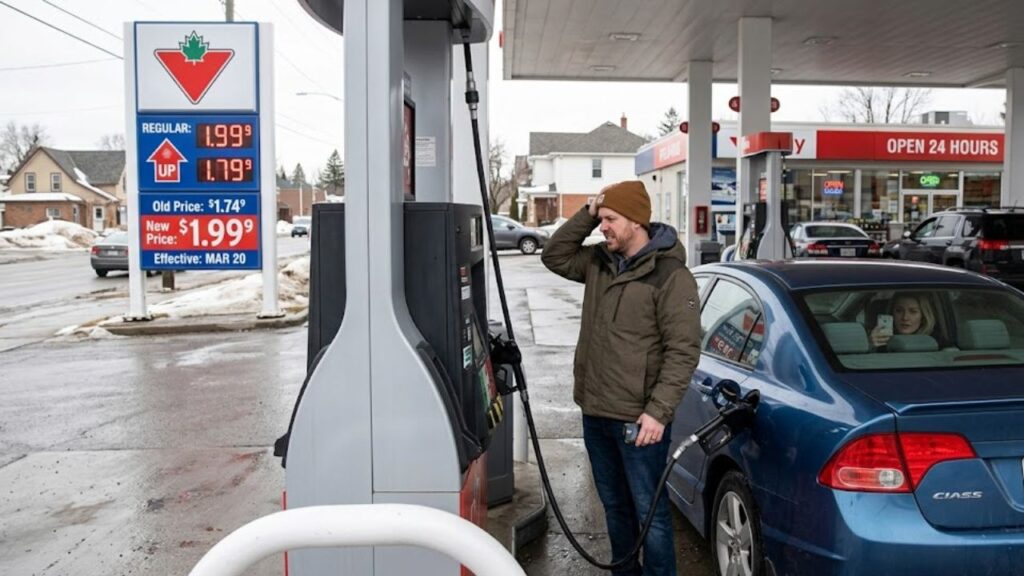
Beginning March 26, 2026, drivers across the country are expected to see a noticeable rise in petrol prices. The projected increase of $0.25 per litre will end a period of relatively stable fuel costs and may place additional financial pressure on households, daily commuters, and businesses that depend on transportation.
Fuel expenses play a major role in everyday life and commercial activity. A price rise of this scale does not only affect motorists filling their tanks—it can also influence transportation costs, product prices, and the overall economy understanding the reasons behind the increase and preparing for its effects will help individuals and businesses manage the change more effectively.
This guide explains the key reasons for the petrol price increase in March 2026, the possible economic and consumer impacts, and practical ways to manage rising fuel costs.

Reasons Behind the March2026 Petrol Price Increase
Global Crude Oil Market Changes
One of the main reasons for the expected $0.25 per litre increase is movement in global crude oil prices. International oil markets are influenced by supply and demand trends, geopolitical developments, production levels from major oil-exporting countries, and global energy consumption patterns.
When crude oil becomes more expensive, refineries and fuel suppliers face higher production costs. These higher costs are typically passed along to consumers through increased prices at petrol stations. The March 2026 adjustment reflects ongoing pressure in the global oil market, driven by supply limitations and recovering demand from major economies.
Fuel Taxes and Regulatory Adjustments
Domestic policy changes also contribute to the increase in petrol prices. Governments periodically adjust fuel taxes carbon pricing systems, and environmental levies to support infrastructure development, climate initiatives, and public transportation investments.
Part of the anticipated $0.25 per litre rise may result from scheduled tax or regulatory updates. While these measures aim to fund long-term public projects and environmental policies, they can directly raise the price drivers pay for fuel.
Refining and Distribution Costs
Another factor influencing petrol prices is the cost of refining crude oil and distributing fuel to stations. Refinery maintenance schedules, limited production capacity, and supply chain disruptions can affect fuel availability.
In addition, transportation expenses such as trucking, shipping, storage, and regional logistics contribute to the final retail price. Areas with longer supply routes or limited infrastructure may experience higher distribution costs.
These combined elements—global oil prices, government policies, and supply chain expenses—create the conditions for the expected March 2026 price increase.
Impact of the $0.25 Per Litre Increase on Drivers
Direct Cost Increase for Motorists
Although $0.25 per litre might appear small, it can significantly increase fuel expenses over time. For instance, a vehicle with a 50-litre fuel tank would cost an additional $12.50 to fill. If a driver refuels once per week, that could mean roughly $50 extra each month.
Over the course of a year, the additional spending could reach several hundred dollars depending on driving distance and vehicle fuel consumption. Long-distance commuters delivery drivers, and ride-share operators will likely feel the impact most strongly.
Higher Household Spending
Rising fuel costs can influence more than just transportation budgets fuel is an important part of the logistics system that moves goods from producers to retailers. When petrol prices increase, delivery and distribution costs also rise.
As a result, businesses may raise prices for groceries, retail products, and everyday services. This means households could face higher overall living expenses beyond the direct cost of fuel.
Economic Effects of Rising Petrol Prices
Impact on Businesses
Companies that depend heavily on transportation—such as logistics firms courier services, delivery companies, and ride-sharing platforms—will experience increased operating costs.
To maintain profitability, some businesses may raise prices or add service fees. Smaller companies with limited margins may face greater financial pressure compared to larger organizations that can absorb cost increases more easily.
Even industries that are not directly connected to fuel consumption may see higher supply chain expenses, which can influence product pricing.
Inflationary Pressure
Energy prices play an important role in the overall inflation rate. When petrol prices rise, transportation costs for goods and services also increase. Over time, this can push consumer prices higher.
Central banks often monitor energy price trends closely because prolonged increases can influence inflation forecasts economic policy decisions, and interest rate strategies.
Regional Price Differences
Fuel price changes are not always uniform across all regions differences in local fuel taxes, supply routes, and competition among fuel retailers can cause variations in how much prices rise in different areas.
Drivers in remote regions or locations with limited fuel supply options may experience higher price increases compared to areas with more competitive fuel markets.
Cost Contribution Breakdown
| Factor Influencing Price | Contribution to Increase | Impact on Consumers |
|---|---|---|
| Global crude oil costs | High | Raises the base fuel price |
| Fuel taxes | Moderate | Directly increases pump price |
| Carbon pricing | Moderate | Adds environmental levy |
| Refining costs | Variable | Affects availability and price |
| Transportation & logistics | Moderate | Causes regional price differences |
This breakdown highlights the main factors contributing to the projected $0.25 per litre petrol price increase starting March 26, 2026.

Long-Term Trends in Fuel Pricing
Historical Perspective
Petrol prices have always experienced fluctuations based on global economic conditions and energy demand. While temporary price declines occur during periods of lower consumption long-term trends generally show gradual increases as economies grow and energy demand rises.
The February 2026 adjustment fits within this broader pattern of periodic fuel price increases linked to supply constraints and global demand recovery.
Shift Toward Alternative Energy
The global transition toward renewable energy and electric vehicles is gradually changing traditional fuel markets. As more countries invest in cleaner transportation technologies, long-term petrol demand may eventually stabilize or decline.
However, adoption rates vary widely between regions. In areas where electric vehicle infrastructure is still developing, petrol will remain a primary transportation fuel for many years. The current price increase partly reflects the transition phase between conventional and alternative energy systems.
Practical Ways to Manage Higher Fuel Costs
Improve Driving Efficiency
Drivers can reduce fuel consumption by adopting more efficient driving habits. Simple strategies include:
- Combining multiple errands into one trip
- Maintaining correct tire pressure
- Avoiding sudden acceleration and harsh braking
- Using cruise control on highways when possible
Small behavioral adjustments can help offset some of the additional fuel costs.
Choose Fuel-Efficient Vehicles
For long-term savings, some drivers may consider switching to vehicles with better fuel efficiency. Hybrid cars, electric vehicles, and modern fuel-efficient models can significantly reduce petrol consumption.
Although these vehicles may involve higher upfront costs, they can lower fuel spending over time if petrol prices continue to rise.
Compare Petrol Prices
Fuel prices can vary between stations even within the same city. Using fuel price comparison apps or monitoring nearby stations can help drivers find lower prices.
Saving even a few cents per litre regularly can add up to meaningful savings throughout the year.
Broader Consumer Implications
Travel and Commuting Decisions
Higher fuel costs may influence how people travel. Families planning road trips might adjust travel budgets, while daily commuters may reconsider driving distances or explore alternative transportation options.
Carpooling and shared commuting arrangements may become more common as drivers try to reduce individual fuel expenses.
Increased Use of Public Transport
When petrol prices rise, public transportation often becomes a more attractive option. Buses, trains, and shared transit systems allow commuters to reduce personal fuel spending while supporting environmentally sustainable travel.
Adjusting Household Budgets
To manage rising petrol prices, many households may need to revise their monthly budgets. Planning for higher transportation expenses in advance can help prevent financial strain and allow families to balance other living costs.
Government and Policy Considerations
Use of Fuel Tax Revenue
Fuel taxes collected by governments are often used to fund road maintenance, transportation infrastructure, and environmental initiatives. Although these taxes increase fuel prices, they are typically reinvested into projects that support public services and long-term infrastructure improvements.
Potential Consumer Support Programs
In some situations, governments may introduce temporary rebates or financial support programs to help households manage rising fuel costs. Keeping track of official announcements may allow eligible individuals to benefit from these assistance programs.
Fuel pricing policies often remain a topic of public discussion, as governments attempt to balance revenue generation, environmental goals, and affordability for consumers.
Conclusion
The expected $0.25 per litre increase in petrol prices starting February 26, 2026 will affect drivers, households, and businesses nationwide. The rise is influenced by global crude oil trends, domestic policy adjustments, and supply chain factors.
While the per-litre increase may appear modest, its cumulative effect over time can significantly influence transportation costs and household budgets. By understanding the reasons behind the increase and adopting cost-saving strategies consumers and businesses can better manage the financial impact of rising fuel prices.